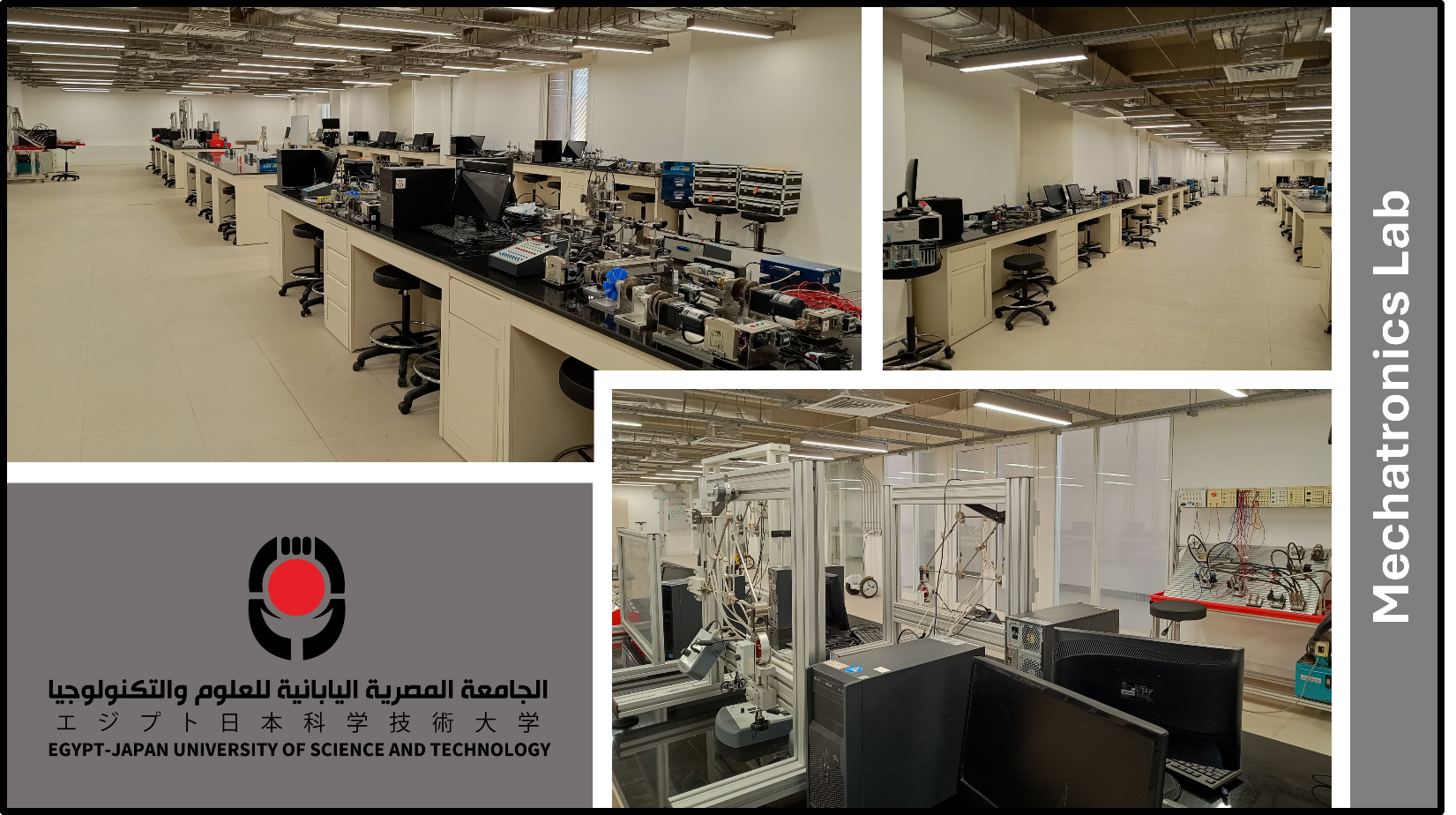
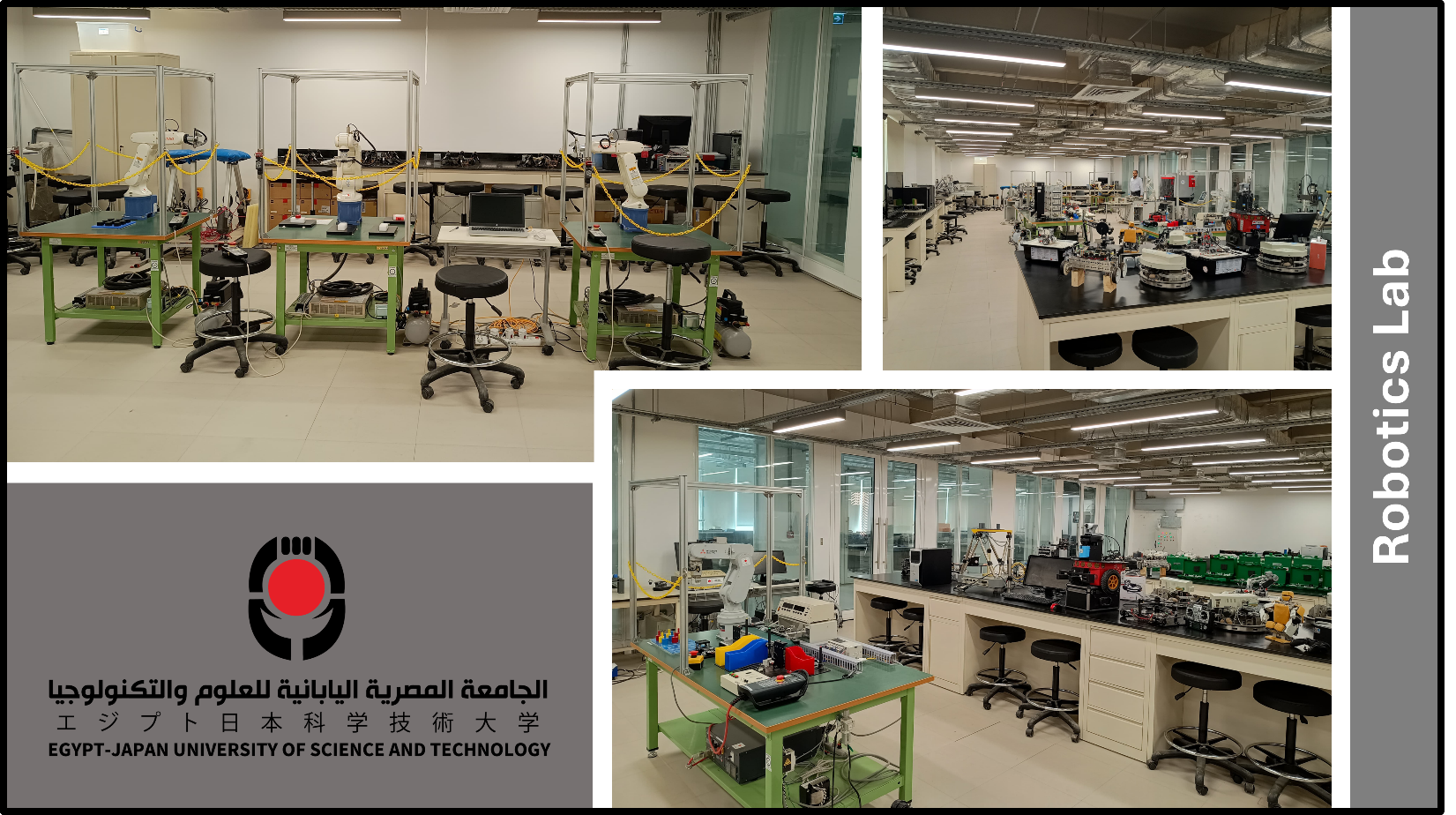
The Mechatronics and Robotics Laboratory provides students with a comprehensive environment for hands-on learning, experimentation, and research in robotics, automation, intelligent systems, and industrial mechatronics applications. The laboratory is equipped with advanced robotic systems and training platforms that support education and research in robot control, automation, manufacturing systems, artificial intelligence, and human–machine interaction. The lab includes robot arms, SCARA robots, Staubli 6-axis robots, Denso robots, aerial vehicles, Stewart platforms, humanoid robot kits, haptic devices, and robot modules. It also features industrial automation and production line stations such as sorting, assembly, processing, testing, handling, storage, routing, buffering, and robot-based disassembly stations, in addition to pneumatic and electro-pneumatic systems, hydraulic systems, transport system workstations, IMS sensor systems, and virtual simulation packages. The laboratory supports practical training and innovative research in modern mechatronics and robotics technologies.
Serving Courses:
|
Course Code |
Course Title |
|
MTE 411 |
Introduction to Mechatronics |
|
MTE 412 |
Mechatronics Lab |
|
MTE 414 |
Robotics |
|
MTE 415 |
Robotics Lab |
|
MTE 421 |
Mechatronics Systems Design |
|
MTE 422 |
Pneumatic and Hydraulic Systems |
|
MTE 427 |
Electro hydraulic and electro pneumatic servo systems |
|
MTE 431 |
Mobile Robots |
|
MTE 432 |
Selected Topics in Robotics |
|
MTE 433 |
Machine Vision |
|
MTE 436 |
Product Design of Mechatronic Systems |
|
MTE 437 |
Introduction to Bio-Mechatronics |
|
MTE 438 |
Artificial Intelligence in Mechatronics and Robotics |
|
MTE 420 |
Graduation Project (1) |
|
MTE 500 |
Graduation Project (2) |
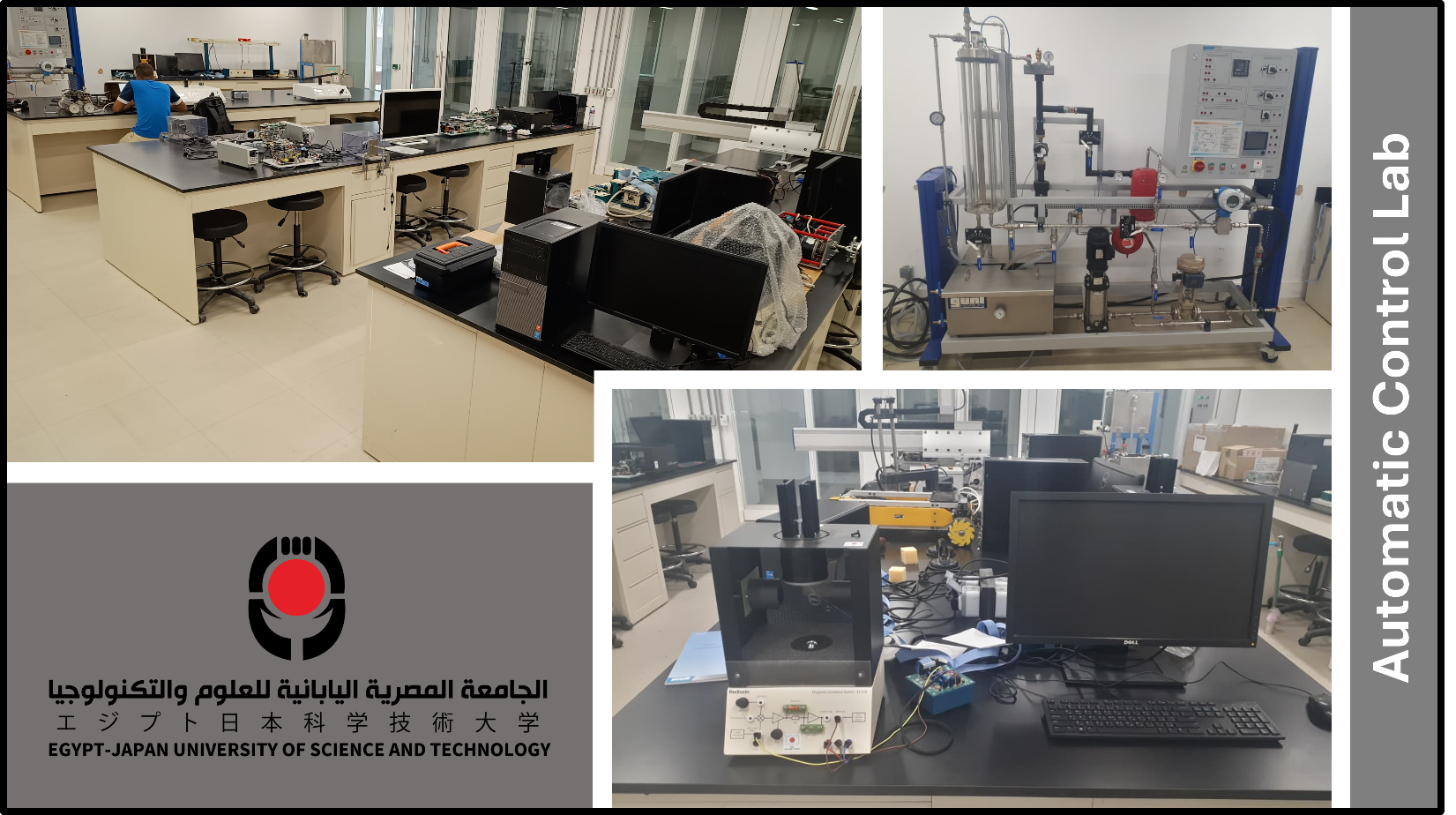
The Automatic Control Laboratory provides practical training and research facilities in classical and modern control systems, industrial automation, and real-time process control. The laboratory enables students to develop hands-on experience in system modeling, controller design, PLC programming, process automation, and feedback control applications. The lab is equipped with a wide range of experimental setups, including analog and digital DC servo systems, magnetic levitation systems, digital pendulums, coupled tanks systems, level and flow process control units, ball and beam apparatus, and ball and plate systems. In addition, the laboratory includes Allen Bradley and Siemens PLC training platforms, Cartesian robot XYZ systems, and embedded developer kits that support practical learning and research in automation and intelligent control systems.
Serving Courses:
|
Course Code |
Course Title |
|
MTE 324 |
Automatic Control (1) |
|
MTE 325 |
Automatic Control (1) Lab |
|
MTE 423 |
Automatic Control (2) |
|
MTE 424 |
Digital Control |
|
MTE 425 |
Industrial Process Control |
|
MTE 426 |
Programmable Logic Controllers |
|
MTE 429 |
Intelligent Control |
|
MTE 420 |
Graduation Project (1) |
|
MTE 500 |
Graduation Project (2) |
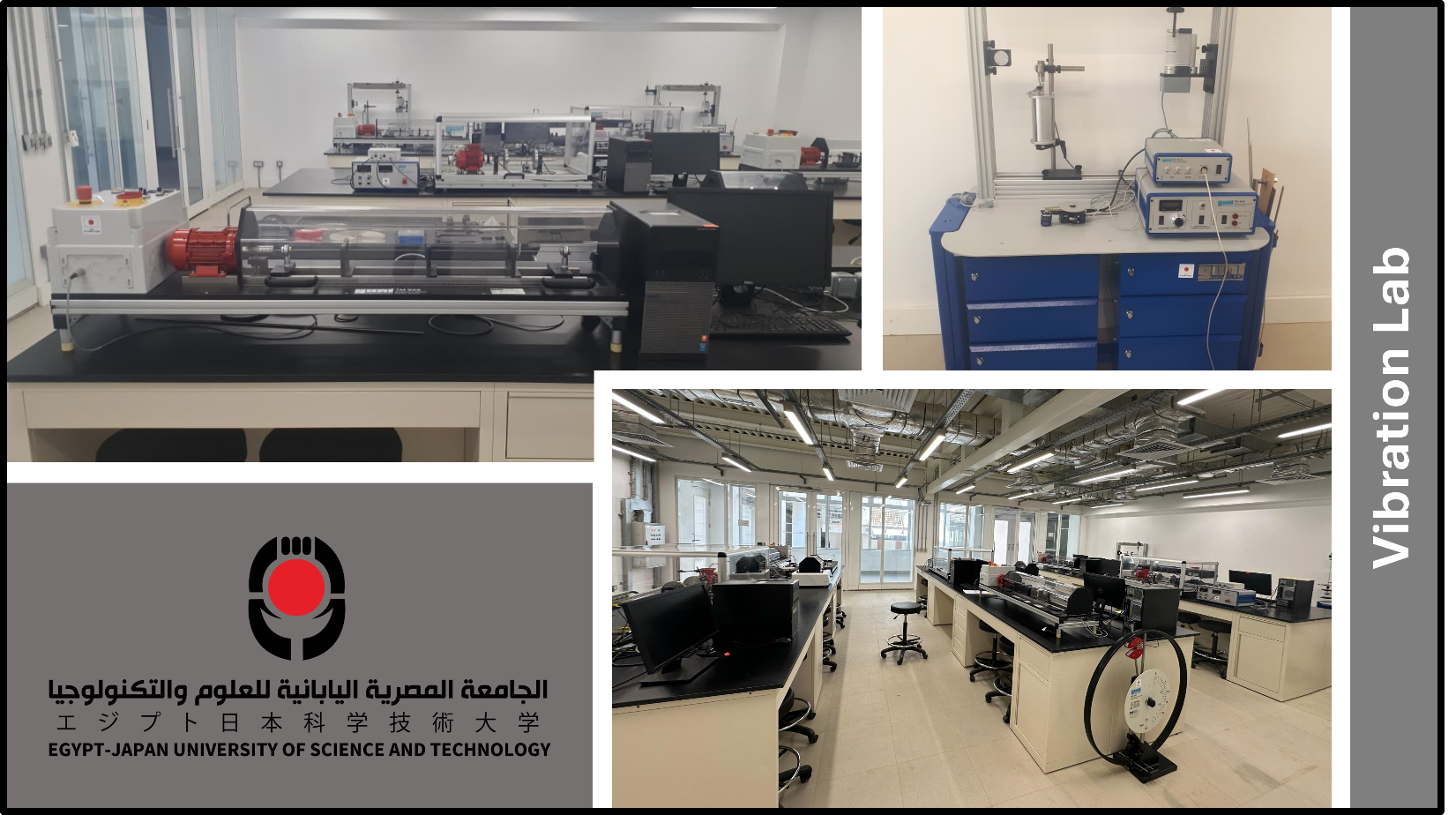
The Vibration Laboratory provides students and researchers with practical experience in the analysis, measurement, and control of mechanical vibrations and rotating machinery behavior. The laboratory supports education and research in vibration analysis, rotor dynamics, condition monitoring, machinery diagnostics, and structural dynamics. The lab is equipped with advanced experimental and measurement systems, including a universal vibration apparatus, whirling of shafts apparatus, dynamic balancing machine, impact test hammer, machinery diagnostic system, and computerized vibration analyzer. These facilities enable students to investigate vibration phenomena, perform modal and frequency analysis, study balancing techniques, and develop skills in machine condition monitoring and fault diagnosis.
Serving Courses:
|
Course Code |
Course Title |
|
MTE 314 |
Mechanical Vibrations |
|
MTE 315 |
Mechanical Vibrations Lab |
|
MTE 322 |
Mechanical Design (1) |
|
MTE 413 |
Mechanical Design (2) |
|
MTE 420 |
Graduation Project (1) |
|
MTE 500 |
Graduation Project (2) |
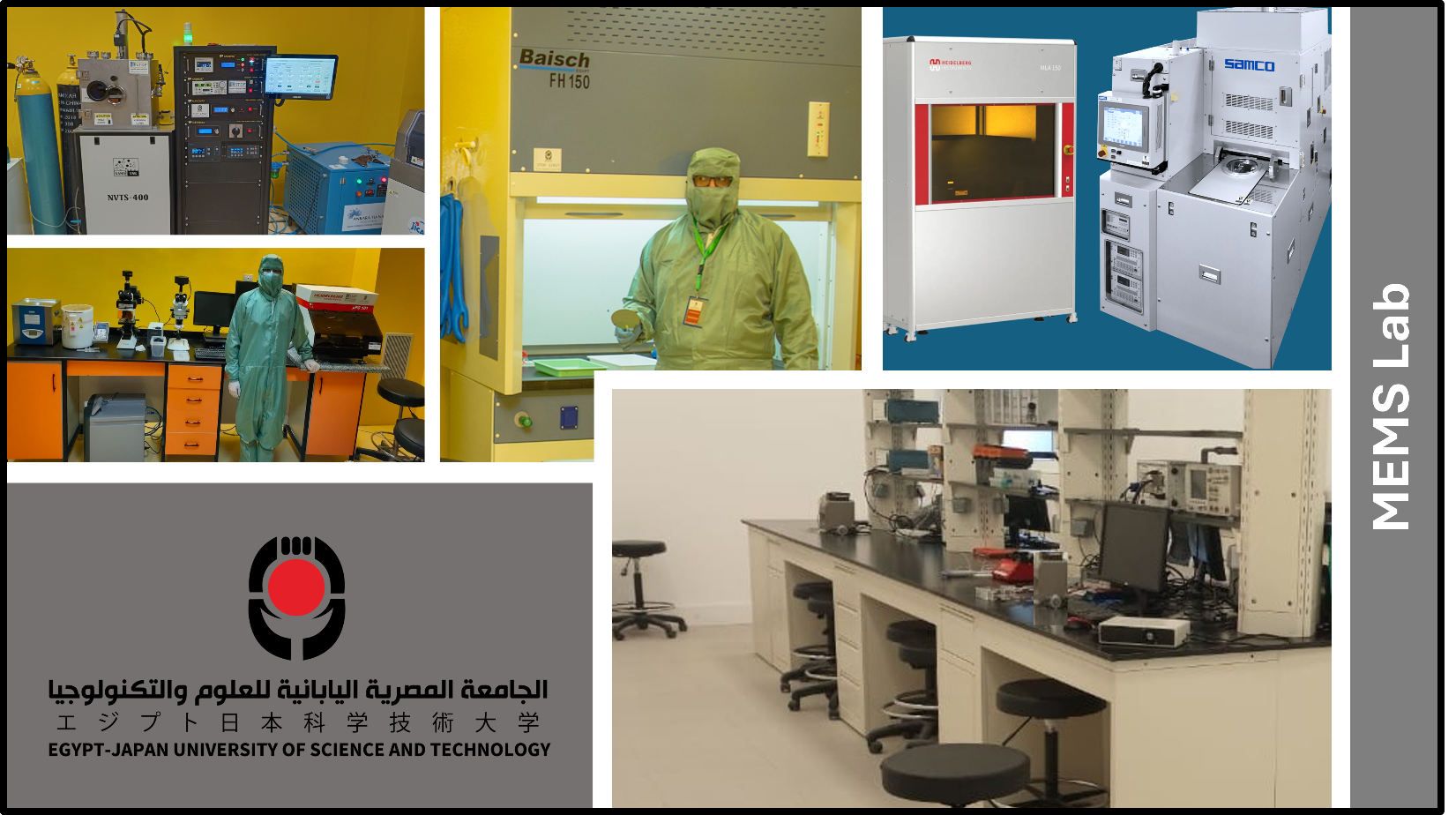
The Micro Electromechanical Systems (MEMS) Laboratory provides advanced facilities for education, research, and fabrication in the fields of MEMS, microfabrication, biosensors, and microfluidic systems. The laboratory includes a clean room facility equipped with state-of-the-art fabrication, lithography, deposition, etching, bonding, and characterization systems that support both academic research and industrial-oriented applications. The lab is equipped with advanced systems such as the Samco RIE-800iP Deep Reactive Ion Etching (DRIE) system, MLA 150 Maskless Aligner, Heidelberg Instruments μPG-101 Laser Lithography System, Nanovak thermal and sputter deposition system, ultrasonic wire bonder, dicing saw, spin coater, fluorescence microscope, ultrasonic cleaner, drying oven, fume hood, deionized water purification system, nitrogen gas generation machine, hotplates with magnetic stirrers, and water chiller units. The laboratory supports microfabrication processes including photolithography, dry etching, thin-film deposition, wafer processing, wire bonding, and microsystem characterization, enabling students and researchers to develop innovative micro-scale devices for engineering and biomedical applications.
Serving Courses:
|
Course Code |
Course Title |
|
MTE 430 |
Micro Electromechanical Systems (MEMS) |
|
MTE 420 |
Graduation Project (1) |
|
MTE 500 |
Graduation Project (2) |
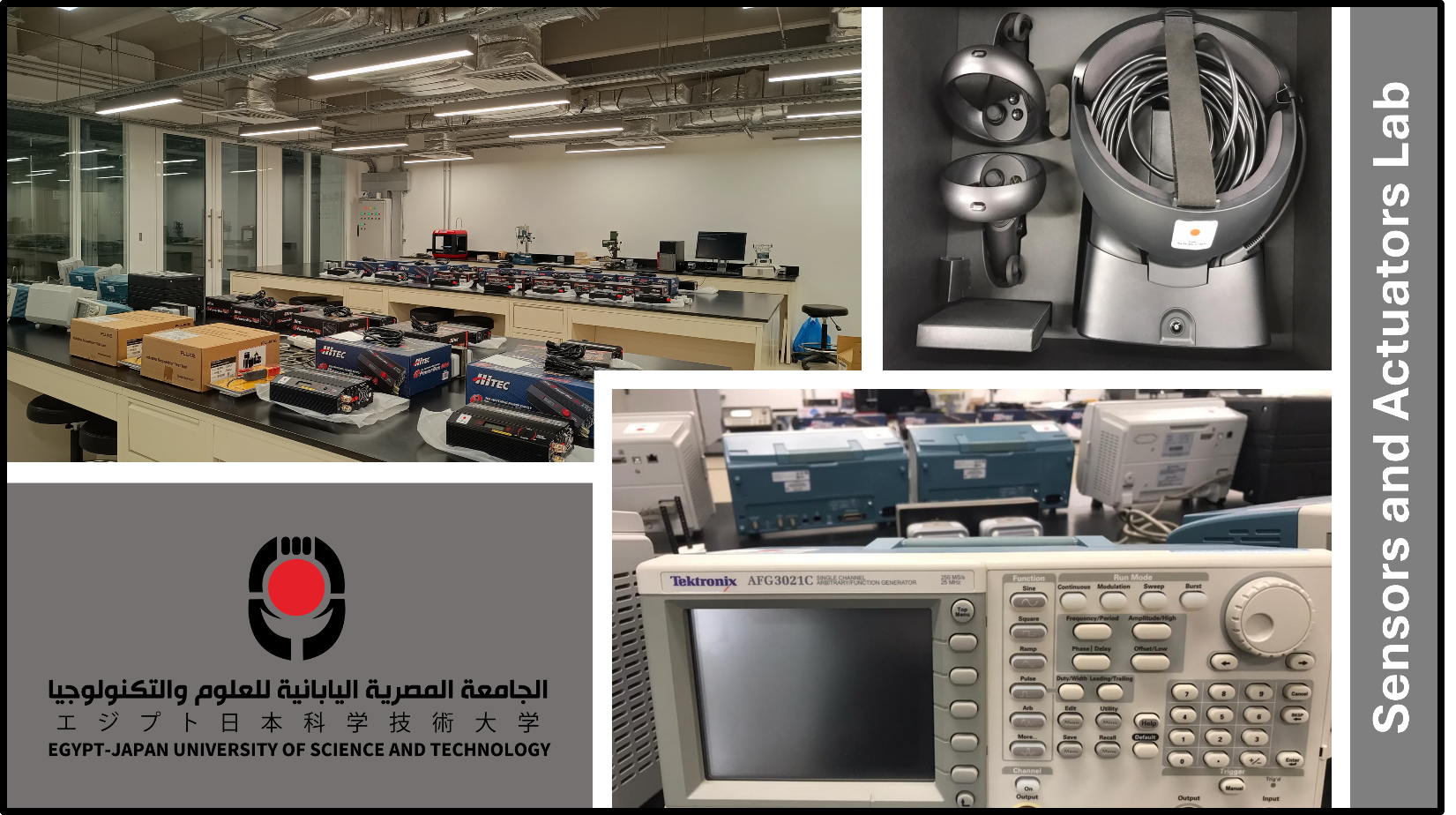
The Sensors and Actuators Laboratory provides students with practical experience in electronic measurements, sensor interfacing, actuator systems, embedded applications, and virtual reality technologies. The laboratory supports hands-on education and project development in electronics, instrumentation, control systems, and smart mechatronic applications. The lab is equipped with digital phosphor oscilloscopes, arbitrary function generators, multimeters, and a wide variety of electronic components, microcontrollers, sensor kits, and DC motors that support experimental learning and prototype development. In addition, the laboratory includes virtual reality kits with headsets that enable students to explore immersive technologies and advanced human–machine interaction applications within modern mechatronics and robotics systems.
Serving Courses:
|
Course Code |
Course Title |
|
MTE 434 |
Sensors & Actuators |
|
MTE 420 |
Graduation Project (1) |
|
MTE 500 |
Graduation Project (2) |
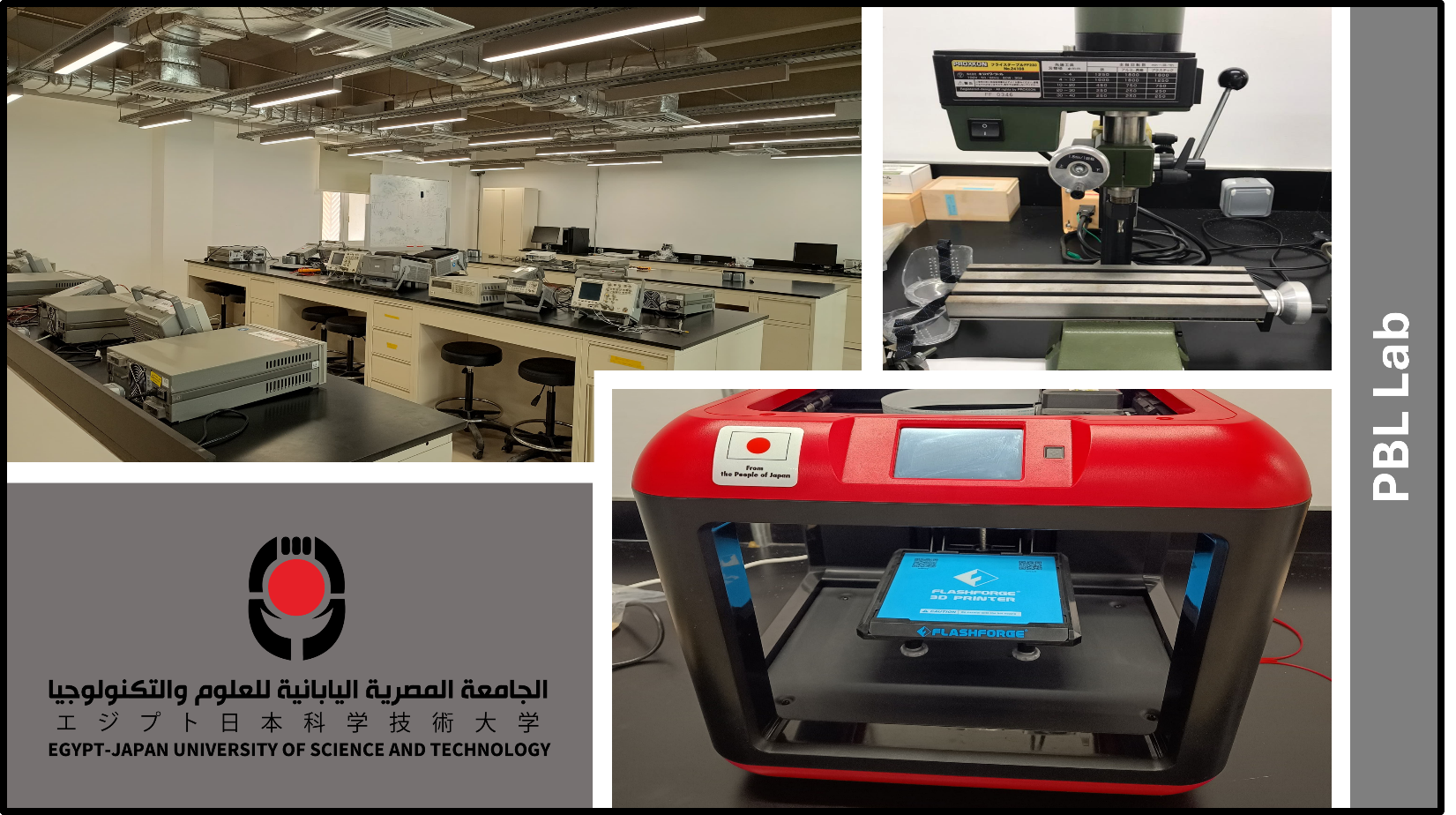
The Project Based Learning (PBL) Laboratory provides students with a practical and creative environment for developing engineering projects, prototypes, and interdisciplinary mechatronics applications. The laboratory supports hands-on learning through design, fabrication, assembly, testing, and problem-solving activities that enhance students’ technical and innovation skills. The lab is equipped with a variety of educational and prototyping tools, including industrial scope meters, educational robot kits, multimeters, electronics tools and components, bandsaws, desktop milling machines, bench drilling machines, and 3D printers. These facilities enable students to gain practical experience in electronics, mechanical fabrication, rapid prototyping, embedded systems, and engineering design within project-based learning activities.
Serving Courses:
|
Course Code |
Course Title |
|
MTE 321 |
Project Based Learning on MTE |
|
MTE 311 |
Seminar on MTE |
|
MTE 420 |
Graduation Project (1) |
|
MTE 500 |
Graduation Project (2) |